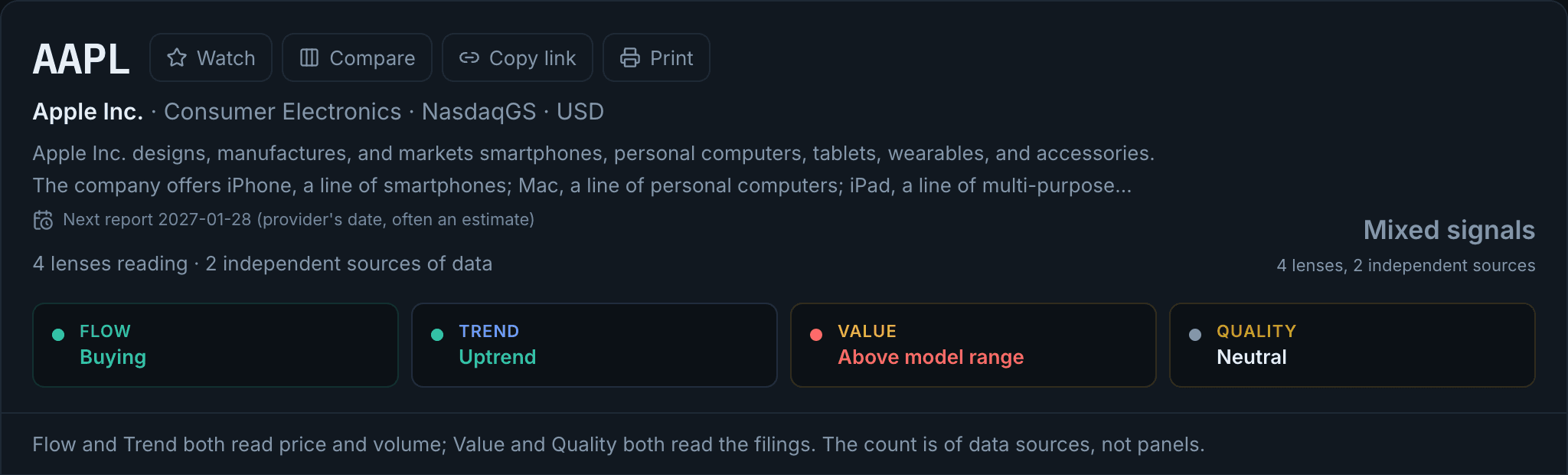
Fig. 1AAPL — the price lenses read up; Value reads the price as above its model range.
Data Scientist · Bogor, Indonesia
I work where the model meets the thing people actually use. A four-lens equity research desk, a scholarship crawler that may only record what it can quote, and an offline-first language tutor scheduled by a memory model — all three deployed, all three still running. I build them at RangkaLabs, an independent AI lab in Bogor that I founded, where every project is labelled with exactly where it stands today.
Day to day I'm a bioinformatics technician on oil palm genomics, building the ETL and the internal tools that carry genotype and phenotype data — including two AI systems that run entirely on our own server, with no external APIs. My thesis on graph neural networks for music recommendation took Best Paper at ICICyTA 2024.
The habit that runs through all of it is refusing to overstate a result. A blank field beats a plausible wrong one; a model that can't speak to a case should say so rather than return a number.
Fig. 1AAPL — the price lenses read up; Value reads the price as above its model range.
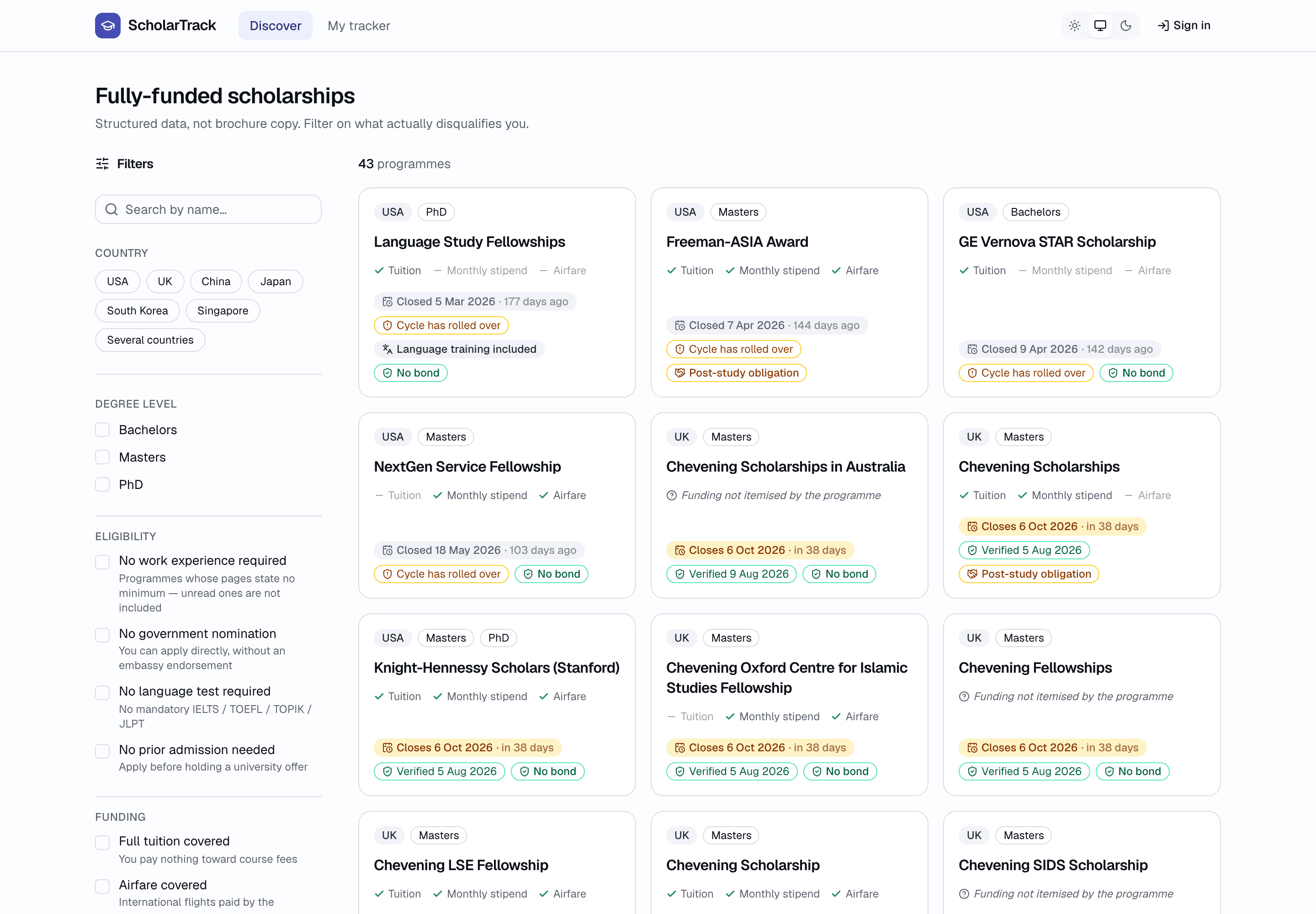
Fig. 243 programmes, filtered by what actually disqualifies you.
Reads scholarship funders’ websites with an LLM and keeps a value only if its supporting quote appears word-for-word on the page.
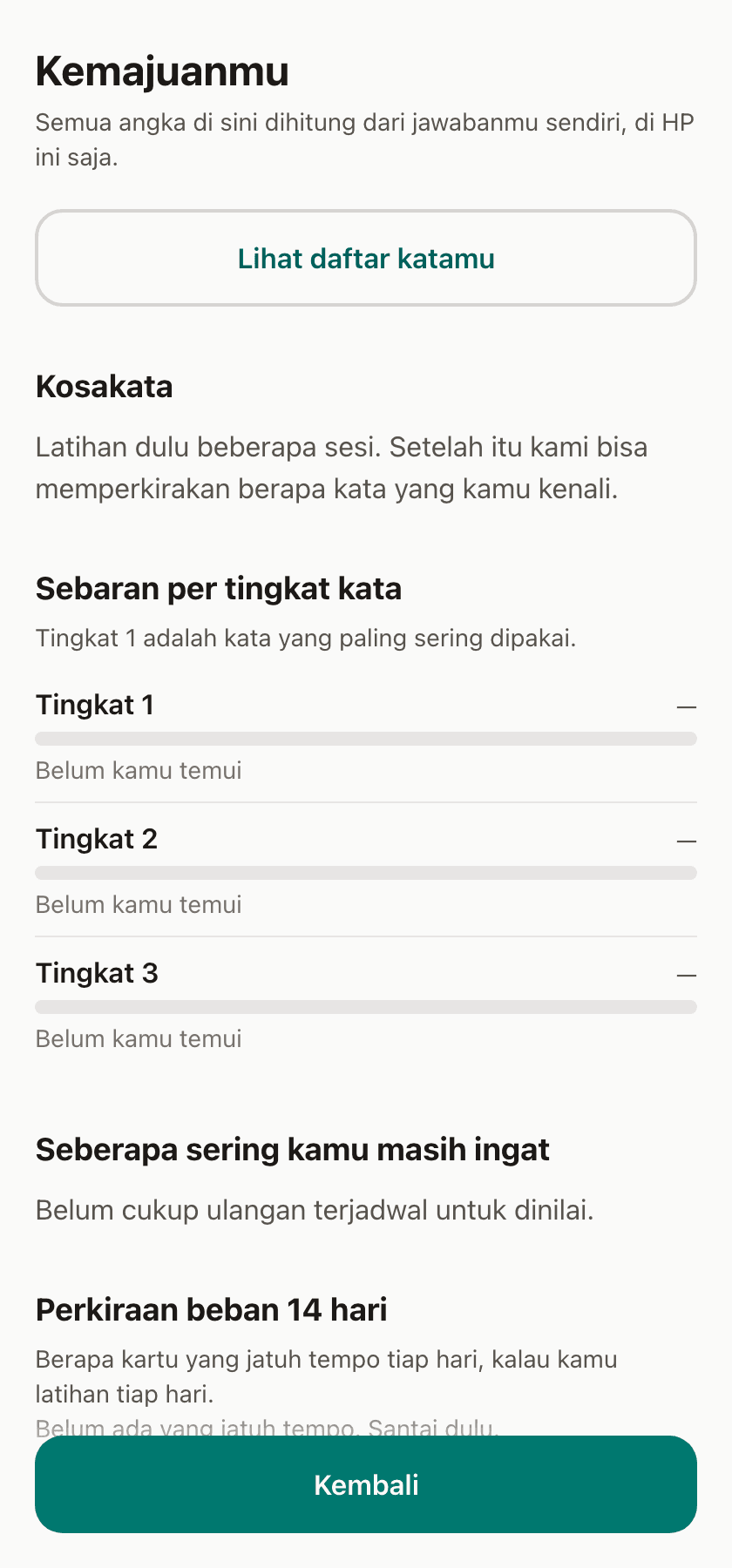
Fig. 3Progress, with every unmeasured figure saying so.
Projects without a case study here, each with the status the lab page gives it.
My always-on assistant on Telegram, built on Nous Research's open-source Hermes Agent. It runs on a 2 GB VPS on free model tiers, knows my projects, reads my own news pipeline, and sends me briefs on a schedule.
Model spend is $0.
Collects Indonesian market news from 8 feeds every 30 minutes, scores each headline for sentiment, links it to IDX tickers, and sends a de-duplicated, interactive digest to Telegram. Built on a $0 budget and a 2 GB server.
It replaces a bot with 13 feeds. In October 2026, 9 of them returned nothing to it and none of its 203 runs had failed. Here an empty feed fails the run.
A public dashboard that scores every retrieval-augmented answer for grounding and accuracy, built on Claude.
2024 International Conference on Intelligent Cybernetics Technology & Applications (ICICyTA), IEEE, pp. 296–301
Best Paper and Best Presenter at ICICyTA 2024, published on IEEE Xplore and indexed in Scopus. It compares GraphSAGE against GCN on the Spotify Million Playlist Dataset and finds the split that matters: GraphSAGE takes precision, GCN takes recall — and GCN quietly drifts toward already-popular tracks.
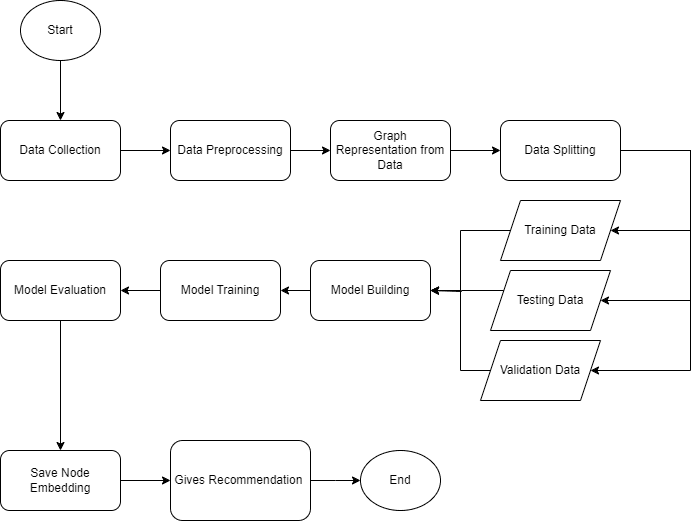
Lab notes — what worked, what didn’t, and why — published on RangkaLabs.